Vitamin C Serums, Demystified: A Dermatologist's Cheat Sheet
Not all vitamin C is created equal. Here is how to read a label, choose the right form and avoid the mistakes that waste your money.
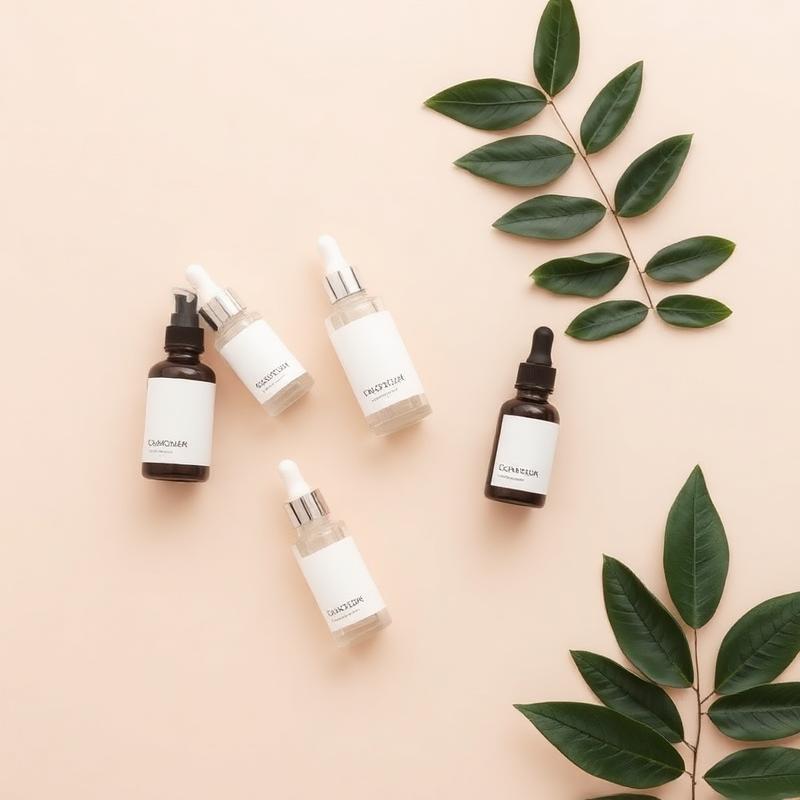
Vitamin C is one of the most studied antioxidants in skincare, with decades of evidence supporting its role in brightening, evening tone and defending the skin from environmental damage. But the active ingredient is famously unstable, and the wrong formulation can do nothing — or worse, irritate.
L-ascorbic acid is the gold standard. Look for concentrations between ten and twenty percent, paired with ferulic acid and vitamin E to enhance stability and efficacy. The serum should be packaged in opaque or dark glass to protect from light.
If you have sensitive skin or rosacea, ascorbyl glucoside, magnesium ascorbyl phosphate or tetrahexyldecyl ascorbate are gentler derivatives that still deliver brightening benefits without the sting.
Use vitamin C in the morning, after cleansing and before sunscreen. A pea-sized amount is plenty. If your serum turns deep orange or brown, it has oxidized and should be replaced.
Pair vitamin C with daily SPF for full benefit. Without sunscreen, you are essentially undoing the work as quickly as you do it.